The Ethics of Spells that Affect Another's Will
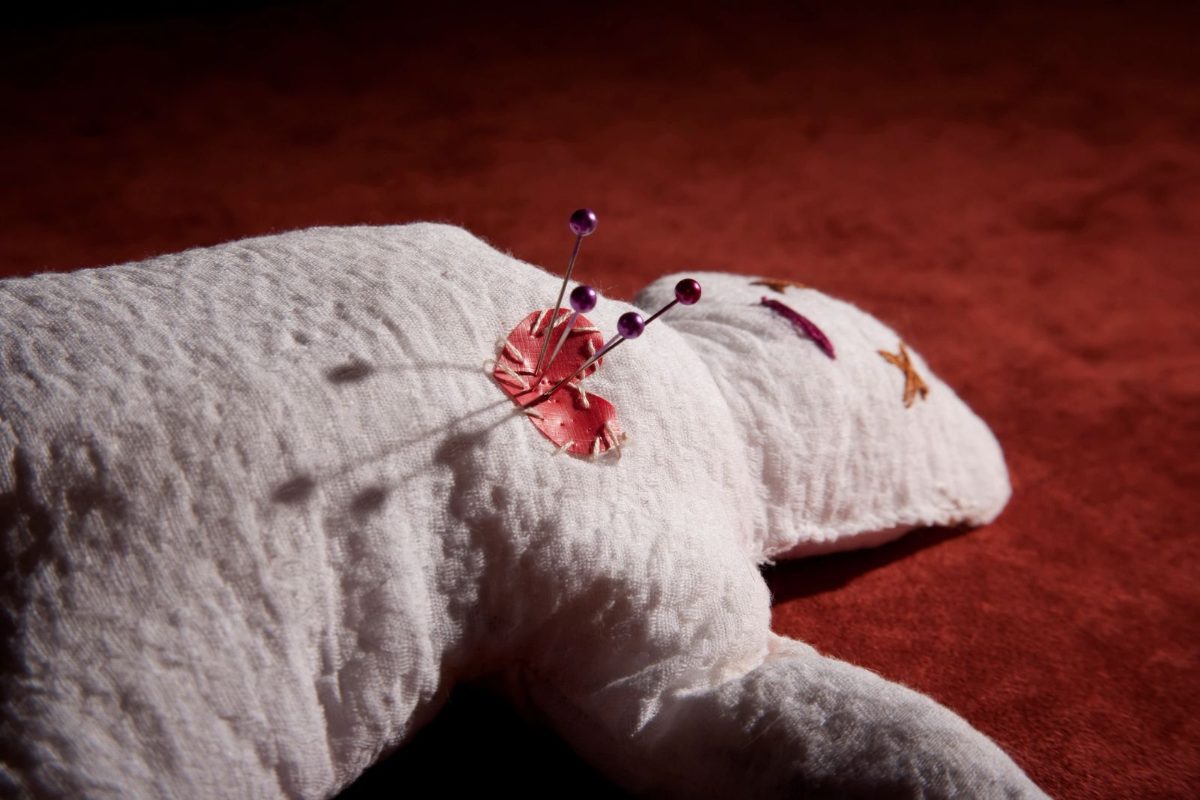
Witches have long been associated with spells and magic, but the question of whether or not to cast spells to bend others to their will is a controversial one. While some practitioners of witchcraft believe that such spells are acceptable, others argue that they go against the basic principles of ethical witchcraft. Let's take a look at why I believe witches should not cast spells to bend others to their will.
The Ethics of Witchcraft:
To understand the arguments against casting spells to bend others to one's will, it is important to first understand the ethics of witchcraft. In general, witchcraft is a spiritual practice that is focused on personal responsibility, the interconnectedness of all things, and doing good in the world. This includes a belief in the principles of karma, which state that the energy one puts out into the world will come back to them in some form.
Many practitioners of witchcraft believe that using spells to control or manipulate others goes against these principles. They argue that it infringes upon the free will of the other person, taking away their ability to make their own choices in life. Additionally, they point out that spells designed to manipulate others can have negative consequences, including harm to the relationship between the spell caster and the target of the spell.
Some witches argue that spells to bend others to their will are acceptable, so long as they are used responsibly and with good intentions. They point out that there are many spells that are designed to help others, such as spells for healing, protection, and love. They also argue that the use of such spells can be justified if the target of the spell is harming others and needs to be stopped.
Arguments Against Witches Casting Spells to Bend Others to Their Will:
The arguments against casting spells to bend others to one's will are many and varied. Here are some of the most common:
Infringement on Free Will: One of the most commonly cited reasons for not casting spells to control or manipulate others is that it goes against the principle of free will. In most spiritual traditions, including witchcraft, the ability to make one's own choices and decisions is considered to be a fundamental right. By casting spells to bend others to one's will, a witch is taking away that right and infringing upon the other person's autonomy.
Negative Consequences: Another argument against casting spells to bend others to one's will is that they can have negative consequences, both for the target of the spell and for the spell caster. For example, if a spell is cast to make someone fall in love with the spell caster, the target of the spell may become obsessed and act in unhealthy or inappropriate ways. This can lead to problems in the relationship or even harm the target's mental health.
Harm to Others: Many witches argue that casting spells to bend others to one's will is harmful to others, either physically or emotionally. For example, if a spell is cast to harm someone who is causing harm to others, it may have unintended consequences and cause harm to innocent people. Additionally, casting spells to control or manipulate others can lead to feelings of betrayal, mistrust, and anger, and can damage the relationship between the spell caster and the target of the spell.
Violation of Karma: Finally, many witches argue that casting spells to bend others to one's will goes against the principle of karma. According to this principle, the energy that one puts out into the world will come back to them in some form. By using spells to control or manipulate others, a witch is putting negative energy out into the world, which will eventually come back to them in some way.
Authors Who Believe in This:
There are many authors and practitioners of witchcraft who believe that casting spells to bend others to one's will is unethical. Here are some examples:
Scott Cunningham: Scott Cunningham was a well-known author and practitioner of witchcraft who believed in the principle of personal responsibility. He argued that it is unethical to use magic to control or manipulate others, and that it goes against the basic principles of witchcraft. He wrote extensively about the ethics of witchcraft, and his books are still widely read and respected today.
Starhawk: Starhawk is a prominent feminist and witch who is known for her advocacy of social justice and environmental activism. She has written extensively about the ethics of witchcraft, and argues that it is important to use magic in a way that aligns with one's values and principles. She believes that using magic to control or manipulate others is unethical, and that it can have negative consequences for both the spell caster and the target of the spell.
Phyllis Curott: Phyllis Curott is a prominent Wiccan priestess and author who has written extensively about the ethics of witchcraft. She argues that the use of magic should be guided by the principle of harm none, and that using magic to control or manipulate others is inherently harmful. She believes that the use of magic should be focused on healing, protection, and personal growth, rather than on trying to control others.
Authors Who Disagree:
While many authors and practitioners of witchcraft believe that using spells to bend others to one's will is unethical, there are also those who disagree. Here are some examples:
Aleister Crowley: Aleister Crowley was a controversial figure in the world of witchcraft, and his beliefs and practices have been debated for many years. He argued that the use of magic was a way to exert one's will on the world, and that it was acceptable to use magic to control or manipulate others, so long as it was done in a way that aligned with one's own values and principles.
Donald Michael Kraig: Donald Michael Kraig was a well-known author and practitioner of witchcraft who believed that the use of magic was a way to manifest one's desires in the world. He argued that it was acceptable to use magic to control or manipulate others, so long as it was done in a way that did not harm anyone else. He believed that the use of magic was a personal choice, and that each individual should decide for themselves how to use it.
Robert Anton Wilson: Robert Anton Wilson was a writer and philosopher who believed that the use of magic was a way to explore the limits of human consciousness. He argued that it was acceptable to use magic to bend others to one's will, so long as it was done in a way that was responsible and ethical. He believed that the use of magic was a way to expand one's understanding of the world, and that it should be used in a way that was respectful of others.
The question of whether or not witches should cast spells to bend others to their will is a complex and controversial one. While some practitioners of witchcraft believe that such spells are acceptable, others argue that they go against the basic principles of ethical witchcraft. Those who argue against casting spells to control or manipulate others point to the infringement on free will, negative consequences, harm to others, and violation of karma. On the other hand, those who believe that such spells are acceptable argue that they can be used responsibly and with good intentions. Ultimately, the decision of whether or not to use such spells is a personal one, and each individual must decide for themselves what is right and ethical in their practice of witchcraft.