Witchcraft, Gender, and the Trans Community
Witchcraft has long been associated with gender, with the practice being often linked to women, femininity, and feminine roles. However, with the growing visibility of the transgender community, there has been a need to reassess the traditional gender roles represented in witchcraft and address the challenges that the community faces regarding gender identification and trans visibility.
This article aims to explore the challenges facing the witchcraft community in relation to gender identification and trans visibility, and the ways in which the community is addressing these challenges. The article will begin by examining the traditional gender roles in witchcraft and how they have contributed to the challenges faced by the trans community. It will then explore the ways in which the community is working to promote trans visibility and inclusion.
Traditional Gender Roles in Witchcraft
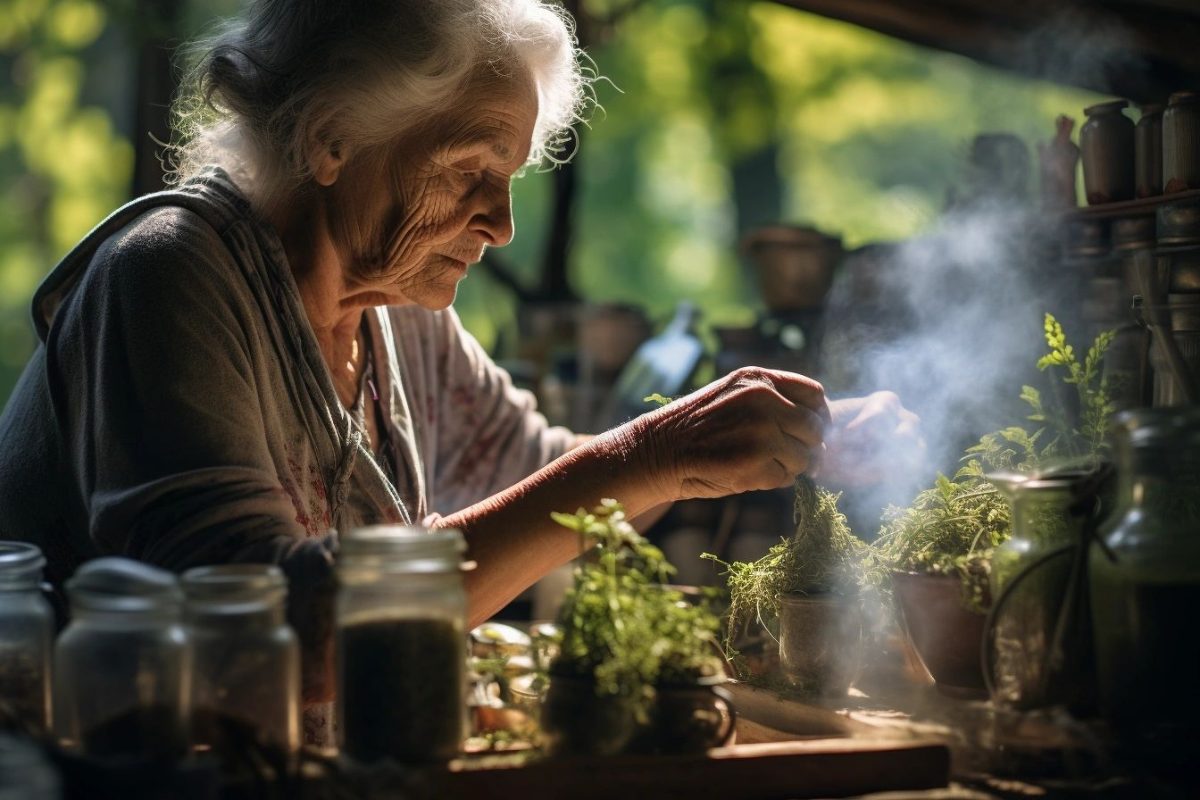
Witchcraft has been historically linked to women, with the image of the witch being that of an old, haggard woman with a pointed hat and a broomstick. This stereotype has contributed to the idea that witchcraft is a feminine practice and that it is only open to women. In addition, many of the roles traditionally associated with witchcraft, such as healers, midwives, and caretakers, have been considered feminine roles.
The traditional gender roles in witchcraft have created challenges for the trans community. Trans individuals who identify as women may feel more comfortable within the witchcraft community due to the association of the practice with femininity. However, trans individuals who identify as men or non-binary may feel excluded from the community due to the emphasis on feminine roles and the assumption that witchcraft is a feminine practice.
In addition, the traditional gender roles in witchcraft have also contributed to the marginalization of trans individuals who identify as women. While the association of witchcraft with femininity may make trans women feel more comfortable in the community, it can also lead to them being stereotyped and fetishized.
Challenges Facing the Witchcraft Community
The challenges facing the witchcraft community in relation to gender identification and trans visibility are complex and multifaceted. One of the primary challenges is the need to reassess the traditional gender roles in witchcraft and create a more inclusive community that welcomes trans individuals of all genders.
Another challenge is the need to address the discrimination and marginalization faced by trans individuals within the witchcraft community. Many trans individuals who are interested in witchcraft may feel hesitant to engage with the community due to the fear of being ostracized or discriminated against.
The lack of trans visibility within the witchcraft community is also a challenge. While there are many trans individuals who practice witchcraft, they are often invisible within the community due to the assumption that witchcraft is a feminine practice. This can make it difficult for trans individuals to find a supportive community and can contribute to feelings of isolation and exclusion.
Ways in Which the Witchcraft Community is Addressing these Challenges
Despite the challenges faced by the witchcraft community in relation to gender identification and trans visibility, there are many individuals and organizations within the community that are working to create a more inclusive and supportive environment.
One of the primary ways in which the community is addressing these challenges is by reassessing the traditional gender roles in witchcraft and working to create a more gender-inclusive community. This includes promoting the idea that witchcraft is a practice that is open to individuals of all genders and creating spaces within the community that are explicitly trans-inclusive.
Many individuals and organizations within the community are also working to address the discrimination and marginalization faced by trans individuals within the community. This includes calling out transphobic behavior and language, creating safe spaces for trans individuals within the community, and actively working to promote trans visibility within the community.
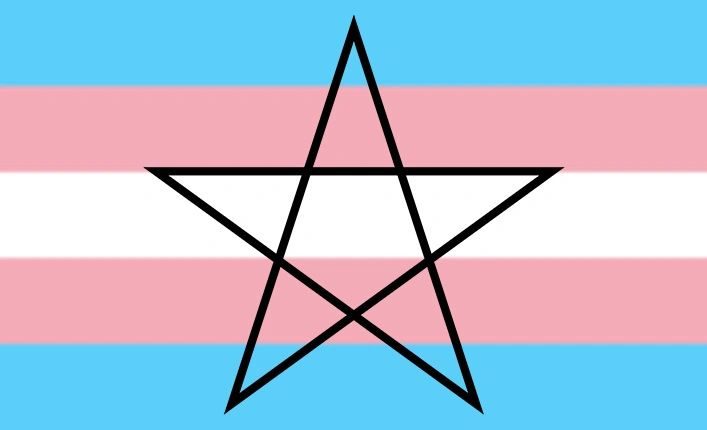
The use of inclusive language and the incorporation of trans-inclusive symbolism in rituals and practices is also an important way in which the witchcraft community is working to promote trans visibility and inclusion. This can include using gender-neutral language in rituals and ceremonies, incorporating non-binary symbolism and imagery into rituals, and acknowledging the diversity of gender identities within the community.
Education and awareness-raising are also important ways in which the witchcraft community is addressing the challenges facing trans individuals. This includes educating members of the community on trans issues and the experiences of trans individuals within the community, as well as actively working to challenge and dismantle harmful stereotypes and assumptions about gender and witchcraft.
There are also many trans individuals within the witchcraft community who are actively working to promote trans visibility and inclusion. This includes sharing their own experiences and perspectives within the community, creating trans-focused groups and resources within the community, and advocating for greater visibility and recognition of trans individuals within the wider community.
Conclusion
The challenges facing the witchcraft community in relation to gender identification and trans visibility are complex and multifaceted, and they require a comprehensive and collaborative response from the community. While the traditional gender roles in witchcraft have contributed to the marginalization of trans individuals, there are many individuals and organizations within the community that are actively working to create a more inclusive and supportive environment.
By reassessing traditional gender roles, promoting trans visibility and inclusion, and educating members of the community on trans issues and experiences, the witchcraft community can work to create a more welcoming and inclusive space for individuals of all genders. Ultimately, this will not only benefit trans individuals within the community but will also contribute to a broader movement towards greater acceptance and recognition of gender diversity in society as a whole.