Navigating the Issue of Cultural Appropriation in Witchcraft
Witchcraft, a spiritual and magical practice with deep historical roots, has experienced a resurgence in popularity over the years. As modern practitioners seek to expand their knowledge and connection to the craft, the issue of cultural appropriation within witchcraft has gained increasing attention.
Cultural appropriation involves borrowing elements from one culture without understanding or respecting their significance, often leading to harm and perpetuation of stereotypes. In the realm of witchcraft, this issue is complex, as practitioners explore the delicate balance between learning from diverse traditions and appropriating them. This article delves into the concept of cultural appropriation in witchcraft, highlighting examples, discussing the pros and cons of incorporating different cultures, and presenting contrasting viewpoints from prominent authors in the field.
Examples of Cultural Appropriation in Witchcraft
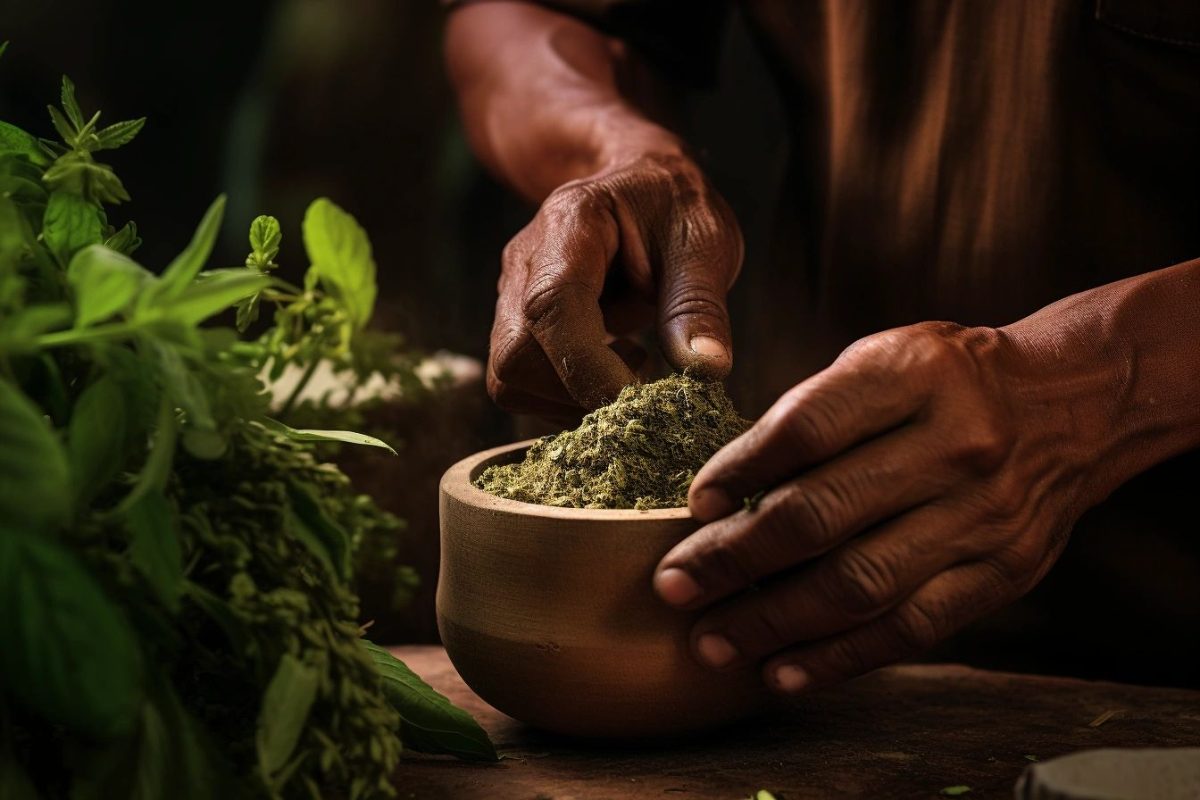
Cultural appropriation within witchcraft can take various forms. One notable example is the misappropriation of Indigenous practices. Indigenous cultures around the world have rich traditions deeply rooted in their connection to the land, ancestors, and spirits. Unfortunately, these practices have often been co-opted without understanding their cultural significance. For instance, the use of smudging, a sacred practice in many Indigenous cultures, has been appropriated by non-Indigenous individuals without proper understanding or permission. This disregard for the cultural and spiritual context of smudging is a clear example of how a sacred practice can be cheapened and commodified.
Similarly, elements of African and Afro-Caribbean spiritual traditions, such as Hoodoo and Santería, have been appropriated by outsiders. These traditions, which have faced historical oppression and marginalization, hold deep spiritual significance for their practitioners. When individuals adopt these practices without understanding their historical struggles or cultural context, they perpetuate harmful stereotypes and contribute to the erasure of these communities' experiences.
The Pros and Cons of Incorporating Different Cultures
The incorporation of diverse cultural elements into witchcraft practices presents a range of advantages and disadvantages. On the positive side, cross-cultural integration can lead to a more enriched and inclusive practice. By learning from various traditions, practitioners gain insights into different spiritual perspectives, fostering empathy and unity. For instance, borrowing meditation techniques from Buddhist traditions might enhance a witch's ability to focus and connect with their inner self.
However, the drawbacks of cultural appropriation must not be underestimated. Approaching practices from other cultures without respect or understanding can result in shallow and disrespectful usage. This perpetuates harmful stereotypes, diminishes the authenticity of the practice, and disrespects the cultural origins. It is vital to remember that true understanding requires more than surface-level engagement.
Authors in Support of Cultural Incorporation
Several authors within the witchcraft community condone the incorporation of different cultures into practices, often advocating for a "universal" approach.
Silver RavenWolf, a well-known author, has emphasized the importance of personal freedom in spiritual exploration. They believe that incorporating various elements can create a diverse and adaptable practice that resonates with individual preferences.
Similarly, Scott Cunningham, another prominent author, has argued that magic itself is a universal force, justifying the integration of various cultural techniques.
Raymond Buckland, often regarded as one of the pioneers of modern witchcraft, has also expressed openness to the practice. He believed that true Wiccan spirituality transcends cultural boundaries and that cultural elements can be integrated without harm if approached with respect and good intentions.
Authors Against Cultural Appropriation
On the other side of the spectrum, authors emphasize the importance of respecting cultural context. Yasmine Galenorn, a vocal critic of cultural appropriation in witchcraft, stresses the need for responsible practices. She argues that genuine cross-cultural understanding should be achieved through respectful dialogue and collaboration, rather than through uninformed borrowing.
Phyllis Curott, an influential figure in modern witchcraft, echoes this sentiment. Curott believes that cultural appropriation disrespects the sacred traditions of marginalized communities and undermines the authenticity of the practice. She urges practitioners to prioritize deep understanding and ethical considerations when incorporating elements from different cultures.
Sibyl Leek, a renowned witch and author, also voiced concerns about cultural appropriation. She believed that genuine magic comes from the heart and soul rather than superficially borrowed practices. Leek cautioned against adopting elements without respect for their origins, as this can lead to a diluted and ineffective practice.
As witches, what should we do?
In the world of witchcraft, the issue of cultural appropriation is one that requires careful navigation. While incorporating diverse cultural elements can enrich the practice and broaden perspectives, it is essential to approach this process with respect, humility, and an understanding of the historical and cultural contexts. The issue is not whether to incorporate different cultures, but how to do so in a way that honors and respects those cultures.
By acknowledging the significance of each cultural practice, engaging in open dialogue, and seeking permission when appropriate, modern witches can create a practice that is both authentic and inclusive, forging connections that transcend cultural boundaries.
Recommended reading
Witches, Pagans, and Cultural Appropriation: Considerations & Applications for Magical Practice