Foraging for Witchcraft Supplies

For many witches, foraging for supplies is an important part of their practice. Whether you are looking for herbs, flowers, or other natural materials, foraging can be a great way to connect with the natural world and to find the perfect ingredients for your spells and rituals.
Let's look at some of the best tips and tricks for foraging for witchcraft supplies. From identifying the best locations to finding the right materials, I'll touch on what you need to know to get started with foraging for your own witchcraft supplies.
Why Forage for Witchcraft Supplies?
Before we dive into the specifics of foraging, it's worth exploring why so many witches choose to forage for their supplies in the first place.
For many witches, foraging is a way to connect with the natural world and to tap into the energy of the earth. By harvesting materials directly from the land, we are able to infuse our spells and rituals with the energy of the plants and other natural materials we collect.
Additionally, foraging can be a cost-effective and sustainable way to gather materials for your practice. Instead of buying herbs and other supplies from a store, you can gather them yourself for free, reducing your environmental impact and saving money in the process.
However, it's important to note that foraging should always be done in a responsible and sustainable way. Make sure to only take what you need, and to leave plenty behind for the plants and other animals that rely on them.
Identifying the Best Locations for Foraging
One of the first steps to successful foraging is identifying the best locations to find the materials you need. Depending on what you are looking for, different environments may be better suited to your needs.
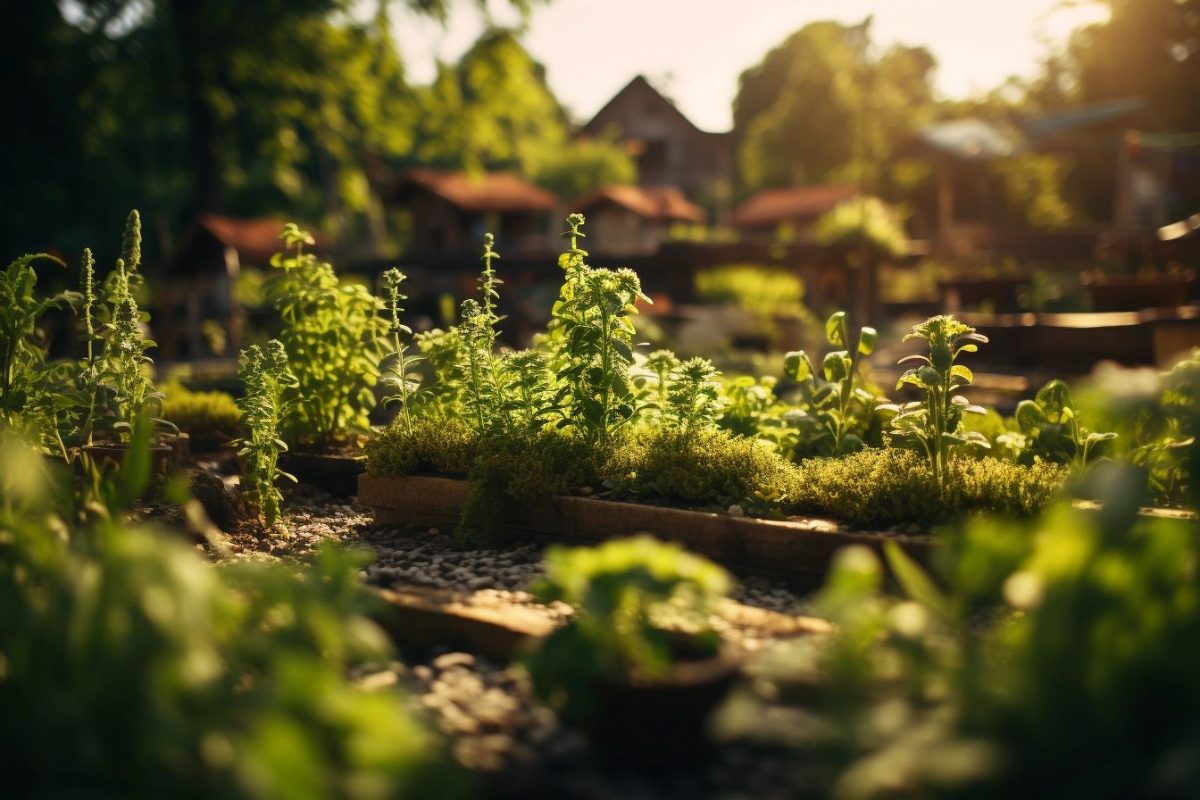
For example, if you are looking for herbs, you may want to explore fields and meadows, where many common herbs like chamomile, lavender, and yarrow can be found. On the other hand, if you are looking for mushrooms, you may want to explore wooded areas or other damp environments.
When selecting a location, it's also important to consider any potential safety concerns. Make sure to avoid areas that may be contaminated by pollutants or other harmful substances, and to always be aware of your surroundings and any potential hazards.
Finding the Right Materials
Once you have identified a suitable location for your foraging, the next step is to find the right materials for your practice. This can be a bit more challenging, as many herbs and other materials can look similar to one another.
To avoid any confusion, it's a good idea to do some research beforehand to familiarize yourself with the plants and other materials you are looking for. Consider bringing a guidebook or other reference materials with you to help you identify different plants and other materials.
Additionally, it's important to only collect materials that you are certain you will use. Don't take more than you need, and avoid collecting any materials that you are not familiar with or that you are not certain are safe to use.
Important!!! Never eat a mushroom you have found unless you are 100% sure it is safe to eat.
Preparing Your Materials
Once you have collected your materials, the next step is to prepare them for use in your spells and rituals. This may involve drying, grinding, or otherwise processing the materials to make them easier to work with.
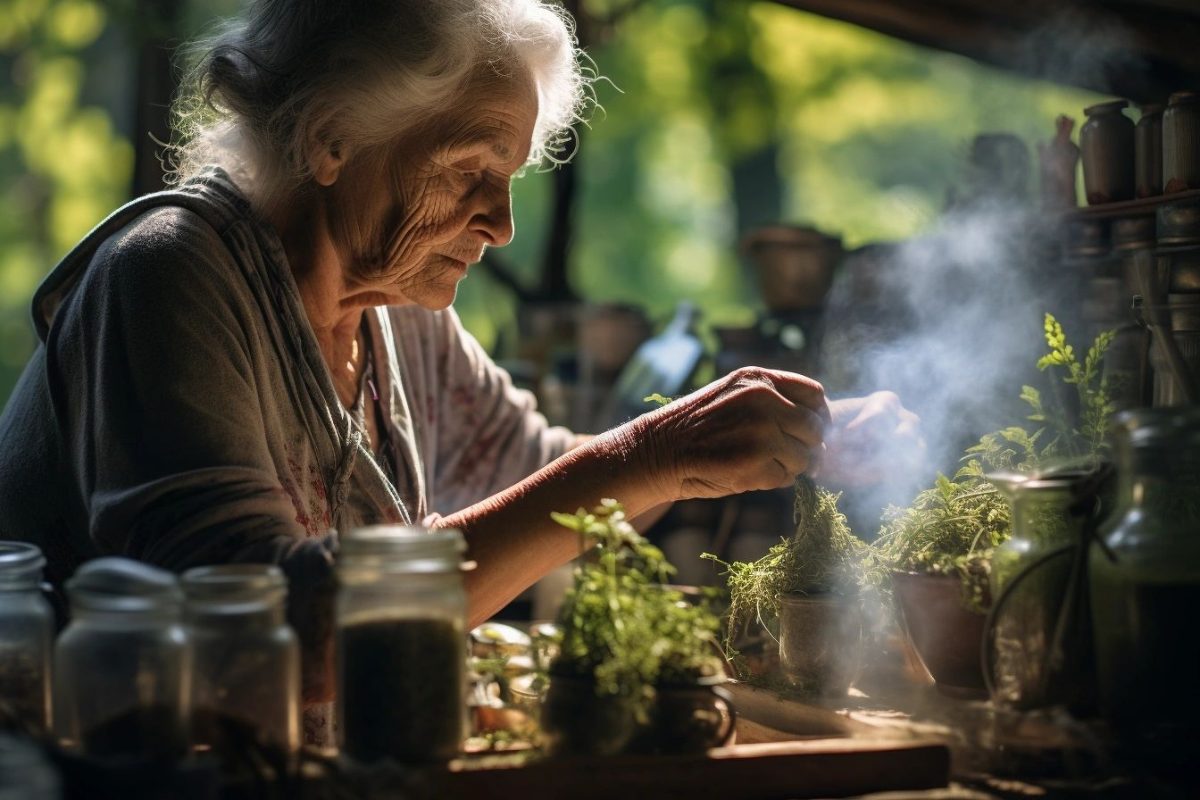
For example, if you have collected herbs, you may want to dry them out in a warm, dry location to remove any excess moisture. You can then grind them into a powder or use them in their dried form in your spells and rituals.
If you have collected other materials like feathers or stones, you may want to cleanse them with water or smoke to remove any negative energy or other impurities. This can help to ensure that the materials are ready to use in your practice.
Using Your Foraged Materials in Your Practice
Once you have collected and prepared your materials, the final step is to incorporate them into your practice. There are countless ways to use foraged materials in your spells and rituals, depending on what you have collected and what you are looking to achieve.
One of the most common ways to use foraged materials is in herbalism, where herbs and other plants are used for their medicinal properties. For example, you may use lavender in a bath or sachet to promote relaxation and calm, or use chamomile in a tea to help with sleep.
Herbs can also be used in spells and rituals to help manifest specific intentions. For example, rosemary is often used in spells for protection, while cinnamon is commonly used to attract wealth and abundance.
Other materials, like feathers, stones, and shells, can also be used in spells and rituals to help manifest specific intentions. For example, a feather may be used in a spell for communication, while a stone may be used to ground and stabilize energy.
When using foraged materials in your practice, it's important to remember that intention is key. The energy and intention you put into your spells and rituals will ultimately determine their effectiveness, so make sure to focus your energy and intentions on your desired outcome.
Tips for Safe and Sustainable Foraging
While foraging can be a rewarding and fulfilling way to gather materials for your practice, it's important to always approach it in a safe and responsible way. Here are a few tips to keep in mind when foraging for witchcraft supplies:
Always obtain permission before foraging on private land. If you are unsure who the landowner is, do some research or ask around in the local community.
Avoid foraging in areas that may be contaminated by pollutants or other harmful substances. This may include areas near roads or industrial sites.
Only take what you need, and leave plenty behind for the plants and other animals that rely on them. Over-harvesting can damage ecosystems and disrupt natural habitats.
Respect any protected or endangered species in the area. Do your research beforehand to ensure that you are not inadvertently harming any rare or protected plants or animals.
Use proper tools and techniques when collecting materials. For example, use scissors to snip herbs instead of pulling them out by the roots, and be careful not to damage the surrounding plants or environment.
Foraging for witchcraft supplies can be a rewarding and fulfilling way to connect with the natural world and gather materials for your spells and rituals. Whether you are looking for herbs, feathers, stones, or other materials, there are countless possibilities for incorporating foraged materials into your practice.
However, it's important to always approach foraging in a safe and responsible way, and to respect the natural world and the ecosystems that support it. By following these guidelines, you can ensure that your foraging is sustainable and respectful, while still allowing you to tap into the energy and magic of the earth.