The Witch Garden
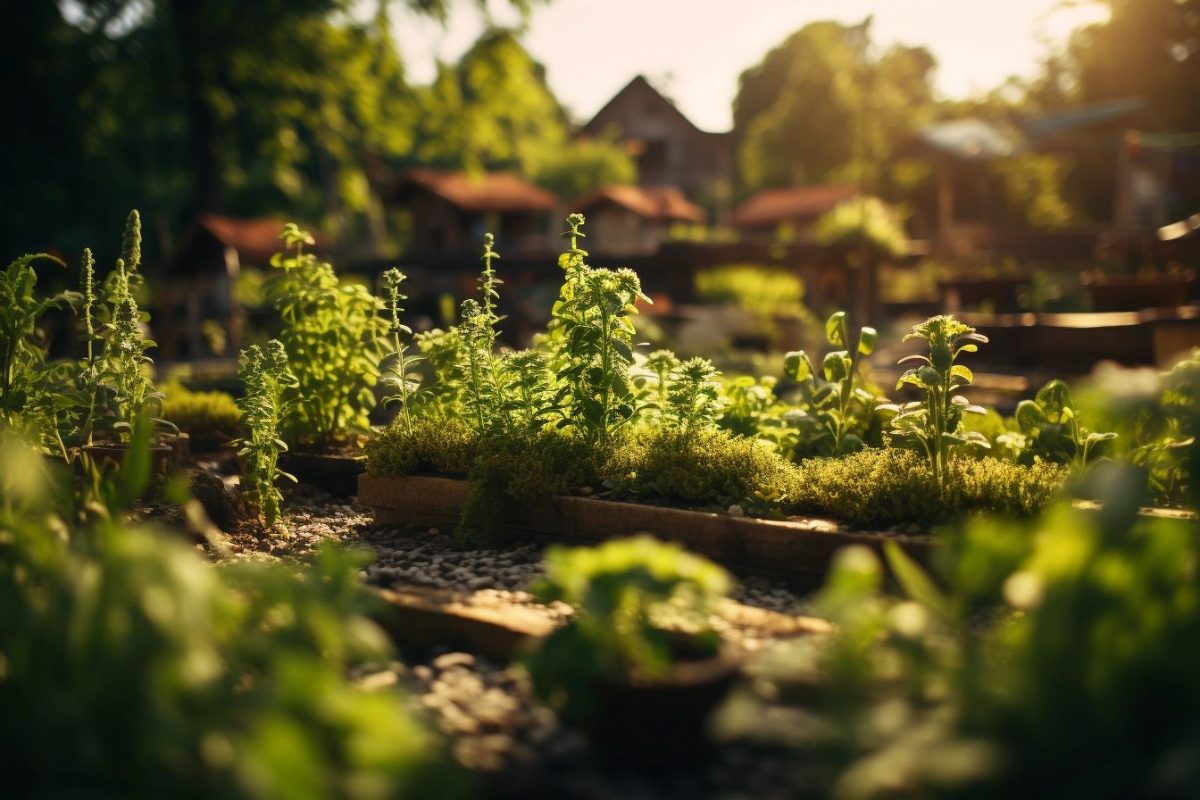
A garden can be a powerful tool in a witch's magical practice. Not only does it provide access to a wide range of herbs and plants with potent magical properties, but it also offers a space to connect with nature and cultivate a deeper spiritual connection.
Let's look at the benefits of growing a garden for witchcraft, the types of plants and herbs commonly used in witchcraft, and tips for planting and caring for a witch's garden.
Benefits of a Witch's Garden
There are many benefits to growing a garden full of plants to use for witchcraft purposes:
Access to a wide range of herbs and plants: A witch's garden provides access to a wide range of herbs and plants that can be used in spells, potions, and other magical practices. By growing these plants yourself, you can ensure that they are grown and harvested ethically and sustainably.
A deeper connection to nature: Spending time in the garden can be a powerful way to connect with nature and deepen your spiritual practice. By working with the earth and cultivating a garden, you can develop a deeper understanding of the natural world and your place in it.
A sense of empowerment: Growing a garden can be a powerful act of self-sufficiency and empowerment. By growing your own herbs and plants, you are taking control of your magical practice and ensuring that your tools are of the highest quality.
Common Plants and Herbs Used in Witchcraft that You Can Grow
There are many plants and herbs commonly used in witchcraft, each with its own unique properties and magical associations. Here are some commonly used plants and herbs in witchcraft that you can grow in your witch's garden:
Lavender: Lavender is a popular herb in witchcraft, with a wide range of magical associations. It is often used for its calming properties, as well as its ability to promote love and healing.
Rosemary: Rosemary is a versatile herb that can be used for a wide range of magical purposes. It is often associated with purification, protection, and memory.
Sage:Sage is a powerful herb often used for cleansing and purification. It is also associated with wisdom and protection.
Chamomile:Chamomile is a gentle herb often used for its calming and soothing properties. It is also associated with love, luck, and prosperity.
Mint: Mint is a refreshing herb often used for its healing properties. It is also associated with prosperity and protection.
Thyme:Thyme is a versatile herb often used for its purifying properties. It is also associated with courage, strength, and good health.
Dandelion:You might not even have to plant this one! Dandelion is a powerful herb often used for its ability to cleanse and purify. It is also associated with divination and the fulfillment of wishes.
Yarrow: Yarrow is a potent herb often used for its ability to protect and heal. It is also associated with courage and psychic abilities.
These are just a few of the many plants and herbs commonly used in witchcraft. Each plant has its own unique properties and magical associations, so it is important to do your research before planting your garden.
Preparing for Your Witch's Garden
Before you start planting your garden, it is important to do some preparation work. Here are some steps to take before planting your garden:
Research the plants and herbs you want to grow: Research the plants and herbs you want to grow to make sure they are suitable for your climate and growing conditions. Make a list of the plants you want to grow and their magical associations.
Choose the right location: Choose a location for your garden that gets plenty of sunlight and has well-draining soil. Consider the size of your garden and the types of plants you want to grow when choosing a location.
Prepare the soil: Good soil is essential for a healthy garden. Make sure the soil is well-draining and has plenty of organic matter, like compost. If your soil is poor, consider adding a layer of topsoil or using raised garden beds.
After the soil has been prepared and the plants have been chosen, it's time to start planting. When planting, it's important to keep in mind the desired growth habits and space requirements of each plant. It's also important to consider the moon phase and astrological timing, as certain plants thrive better when planted during specific moon phases.
For example, root crops are best planted during the waning moon, while leafy greens and plants with above-ground growth are best planted during the waxing moon. Additionally, planting during certain astrological signs can enhance the growth and magical properties of plants.
Once the plants are in the ground, it's important to maintain them with regular watering and weeding. Using natural pest control methods, such as companion planting and beneficial insect release, can also help keep the garden healthy and thriving.
In addition to practical maintenance, tending to the spiritual aspect of the garden is also important for witches. Regular meditation and intention-setting in the garden can help enhance the magical properties of the plants and create a sacred space for ritual and spell work.
Harvesting the fruits of the garden is a special time for witches, as it's the culmination of months of hard work and intention-setting. When harvesting, it's important to do so during the appropriate moon phase and astrological timing to enhance the magical properties of the plants.
After the harvest, there are a variety of ways to incorporate the plants into witchcraft practices. Drying herbs for use in spells and rituals is a common practice, as is creating homemade herbal tinctures, teas, and salves. The use of fresh herbs in cooking and baking is also a wonderful way to infuse magical intention into daily life.
Theme Gardens
Here are some common theme gardens you can explore planting to bring diversity to your witch's garden.
Moon Garden
A moon garden is a garden that is designed to be enjoyed at night, especially during the full moon. The plants in a moon garden are chosen for their white or light-colored blooms, which reflect the moonlight and glow in the dark. Moon gardens often have a mystical, dreamy atmosphere that is perfect for rituals and spells.
Some of the plants commonly found in moon gardens include:
White roses
Jasmine
Moonflower
White lilies
Evening primrose
Lamb's ear
White peonies
Silvermound
Artemisia
White hyacinth
Moon gardens can be especially magical when combined with a water feature such as a pond or fountain, which will reflect the moonlight and add to the overall atmosphere.
Herb Garden
Herbs are an essential part of witchcraft, and a garden filled with fresh herbs is a wonderful resource for any witch. An herb garden can be grown in a traditional raised bed or in containers, and it can include a wide variety of herbs with different properties.
Some herbs commonly found in witchcraft and their correspondences include:
Lavender (love, relaxation, healing)
Rosemary (protection, purification, memory)
Sage (cleansing, wisdom, healing)
Thyme (courage, purification, health)
Basil (love, prosperity, protection)
Mint (cleansing, prosperity, healing)
Chamomile (peace, tranquility, sleep)
Dandelion (divination, wishes, communication)
Lemon balm (calming, happiness, love)
Calendula (protection, healing, prosperity)
When planning an herb garden, it's important to consider the needs of each individual herb. Some herbs prefer full sun, while others prefer partial shade. Some herbs need well-draining soil, while others thrive in moisture. By doing your research and planning carefully, you can create a thriving herb garden that will be a valuable resource for your witchcraft practice.
Vegetable Garden
While a vegetable garden may not seem like an obvious choice for witchcraft, growing your own food can be a powerful act of magic. Not only are you creating something from nothing, but you are also connecting with the earth and the cycles of nature.
When planning a vegetable garden, it's important to choose crops that are well-suited to your climate and growing conditions. Some popular vegetables for beginner gardeners include:
Tomatoes
Peppers
Beans
Squash
Lettuce
Carrots
Radishes
Cucumbers
In addition to providing fresh produce for your table, a vegetable garden can also be a source of ingredients for magical recipes and potions. For example, tomatoes are associated with love and passion, while carrots are said to promote fertility and abundance.
Tree Garden
Trees are powerful symbols in witchcraft, and a garden filled with trees can be a magical and enchanting space. A tree garden can include a variety of trees, from fruit trees to ornamental trees to towering giants. Some trees that are especially well-suited for a magical garden include:
Apple trees (love, healing, fertility)
Cherry trees (love, passion, joy)
Birch trees (protection, new beginnings, purification)
Oak trees (strength, courage, protection)
Willow trees (intuition, emotions, magic)
Rowan trees (protection, divination, healing)
In addition to their magical properties, trees also provide shade, shelter, and a home for wildlife. They are a valuable addition to any garden and can be planted as saplings or purchased as larger specimens.
Growing a garden for witchcraft is a deeply rewarding and magical practice. By carefully choosing plants, considering moon phases and astrological timing, and tending to both the practical and spiritual aspects of the garden, witches can create a beautiful and thriving space for both magical and practical use. The practice of growing a garden for witchcraft is a wonderful way to connect with nature, enhance magical abilities, and create a sacred space for spiritual growth and exploration.